What vaccinations in Uzbekistan can be obtained for free – list
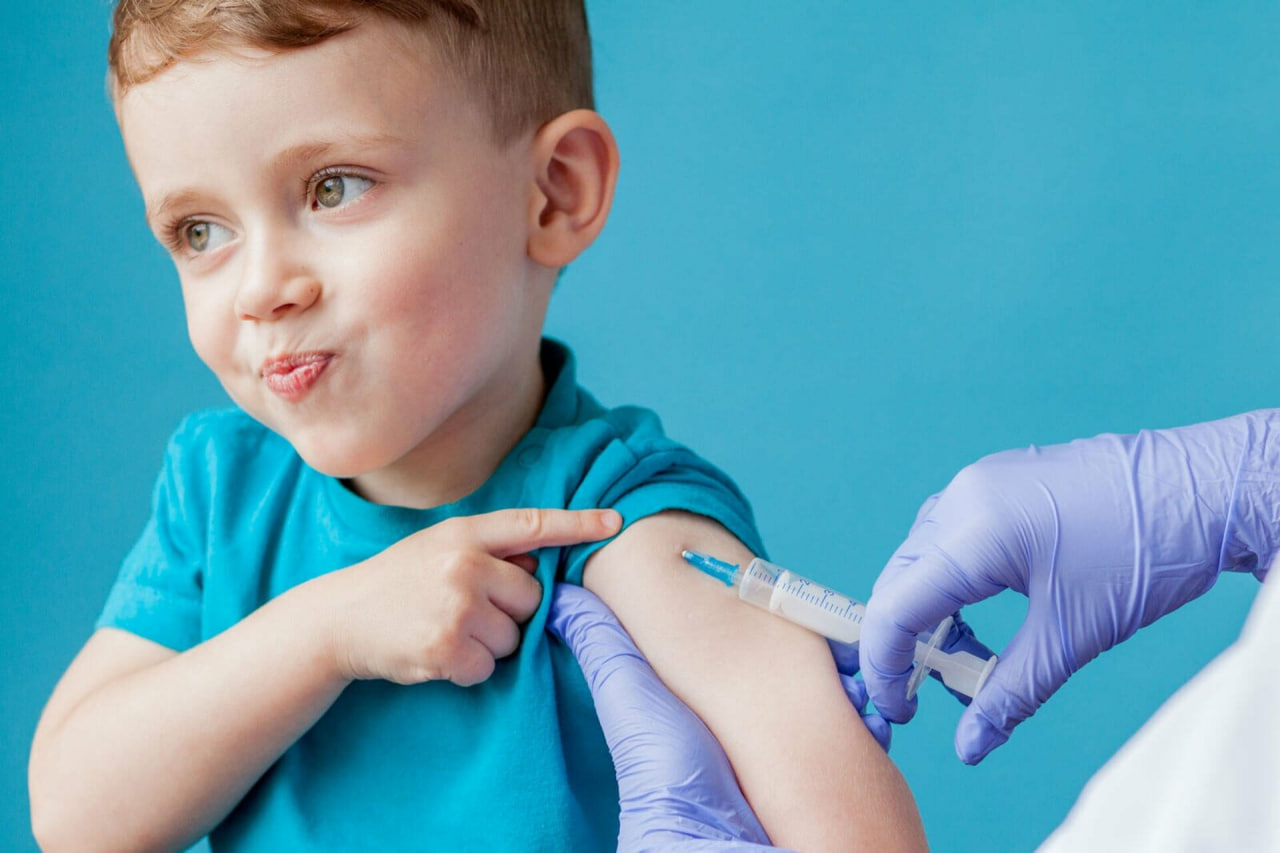
The republic has approved a national calendar of preventive vaccinations, which a person should receive from birth to 16 years. In addition, there is a calendar of preventive vaccinations for epidemic indications.
The Committee for Sanitary and Epidemiological Welfare and Public Health reported that 164 cases of measles have been detected in Uzbekistan since the beginning of 2023. Experts explained that the disease was diagnosed mainly in citizens who were in contact with measles patients who came from abroad.
"Currently, the epidemiological situation of measles in Uzbekistan is under control. Persons who have been in contact with measles patients are covered by preventive vaccination," the Committee said.
According to the WHO, in 2023, the epidemiological situation for this disease in the world worsened due to the refusal to vaccinate.
Measles is a contagious infectious disease that is transmitted by airborne droplets. Vaccination against this disease is included in the calendar of preventive vaccinations. There it is designated as KPK - a trivalent live vaccine against measles, mumps and rubella. The vaccine is given twice - at the age of 12 months and six years.
Since 2019, Uzbekistan has been vaccinating girls against the human papillomavirus (VPCH) from the age of 9. In this regard, the national calendar was replenished with another mandatory vaccination at the expense of the state.
In addition, the republic has developed a calendar of preventive vaccinations for epidemic indications. In this case, vaccinations are subject to, among other things:
- people engaged in catching and keeping stray animals;
- service sewerage facilities;
-working in the fields of medicine, education, food industry;
- children of preschool age and persons over 60 years of age with chronic somatic diseases, often suffering from acute respiratory infections;
- children and adults in whose families there is a patient with chronic hepatitis B;
-children from orphanages and boarding schools;
- children and adults who regularly receive blood and its preparations, as well as those on hemodialysis and oncohematological patients.
In such a calendar, in addition to the contingent, the name of the vaccination, the age of vaccination and the period of revaccination are also indicated. Vaccination against COVID-19 was also included in this calendar.
- 2 August, 08:58
-
Read more